
We’ve officially reached "peak digital." You can feel it. Cutting through on digital channels alone is not enough.
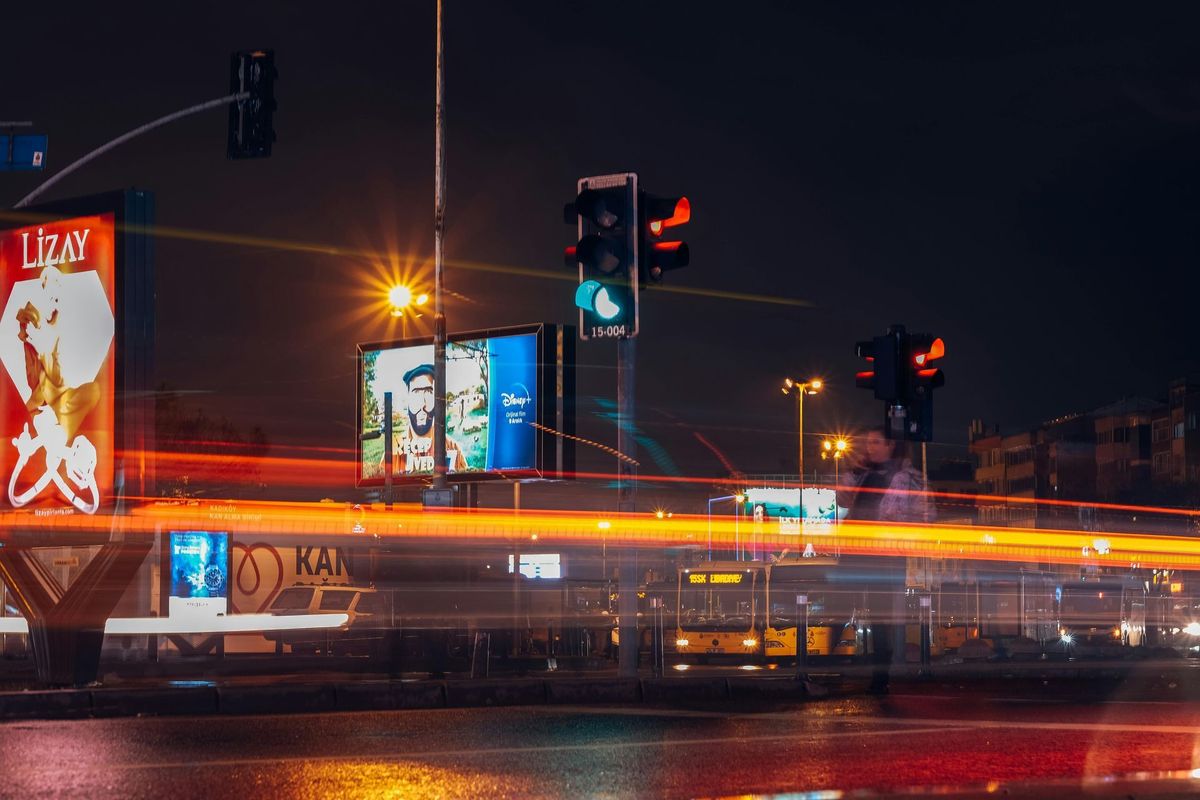
The average Australian is bombarded by thousands of algorithmic impressions before they’ve even finished their first flat white. Many of us are developing a "biological ad-blocker" for anything that glows, scrolls, or follows us across apps.
The biggest players ... the Telstras, the Coles/Woolies and others like Qantas are still pouring millions into a medium that doesn’t move an inch. They wouldn't do it if it didn't work. They have the data.
Static is no longer the budget option. It has become a bit of a power move. Here is why the real "dynamic" energy in 2026 is actually standing perfectly still.
1. The 100% Share of Voice (SOV)
In the world of Digital Out-of-Home (DOOH), you are a tenant in a rotating loop. You get 8 seconds of fame before you’re replaced by a competitor.
In contrast, Static is a Land Grab. When a corporate giant buys a massive 24-sheet static site, they aren't just buying an ad; they are buying the horizon.
- The Data: While DOOH now accounts for 76.6% of total outdoor revenue in Australia (OMA, 2026), that very saturation is what makes static so valuable.
- The Result: Because digital is now the "standard," the physical permanence of a static board signals Brand Authority . It says, "We don’t need to rotate; we own this space."
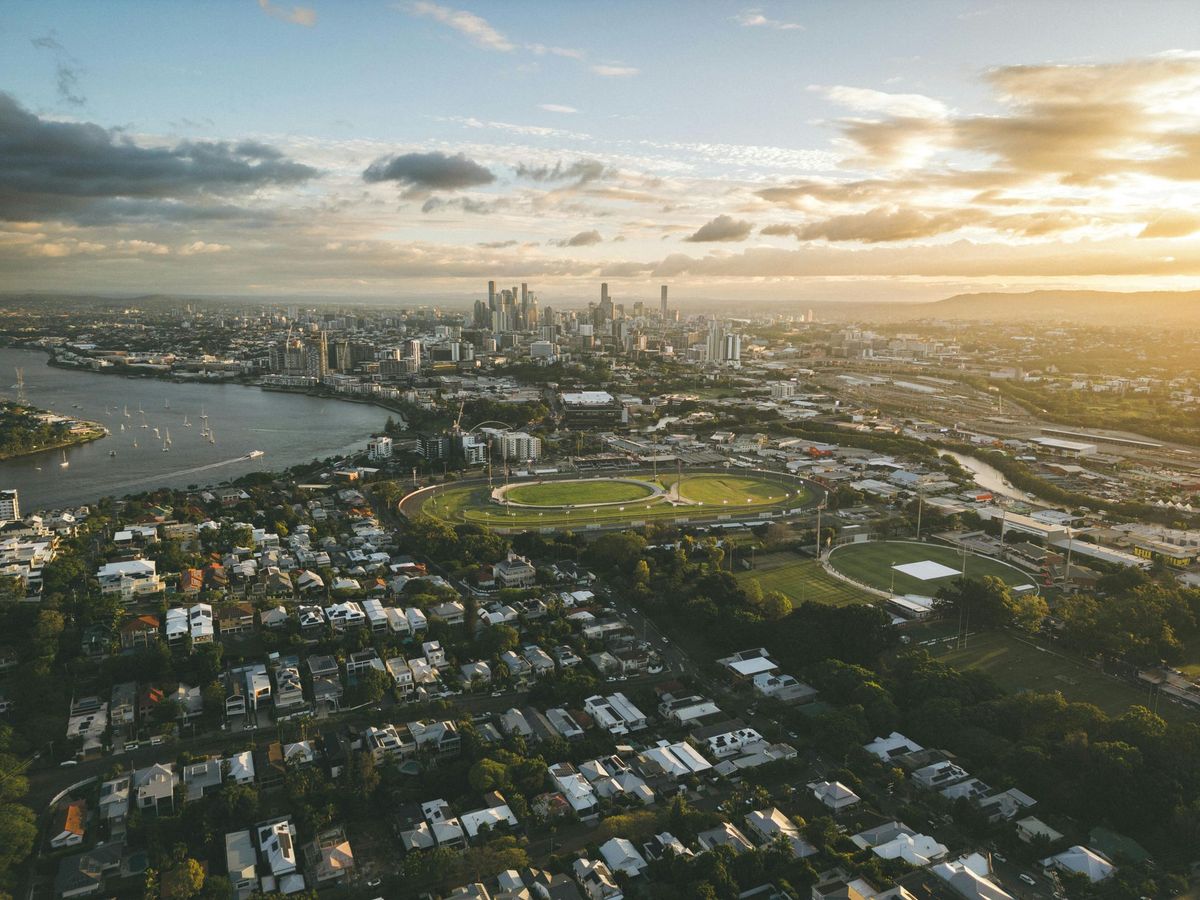
2. High-Definition reality (No Glare, No Lag)
- Organic Impact: 88% of Australians agree that brands on billboards "stand out" (OMA Research). A high-quality print has a tactile, premium quality that a backlit screen can’t replicate. It feels like a part of the city’s architecture, not just another screen to ignore.
3. The Death of "Filter Fatigue"
Digital ads demand our data; static ads only ask for our eyes. In a 2026 landscape where 38% of Aussies use ad-blockers and privacy concerns are at an all-time high, static signage is viewed as "honest" advertising. It doesn't track your cookies or listen to your conversations. It’s a transparent, public commitment to a message.
4. ROI: The Quiet Achiever
The numbers don’t lie. While the industry buzzes about programmatic digital, traditional outdoor remains one of the most cost-efficient ways to build a brand.
- The Multiplier: Industry analysis shows OOH returns an average of $5.97 for every $1 spent in Australia.
- Deep Encoding: Because a static ad is "always on," it hits the commuter at the exact same spot, every single morning. This repetition leads to Long-Term Brand Recall that fleeting 8-second digital slots simply can't match.
5. ROI: It's not all big budgets and CBD signage.
At a more local level, signage at sporting fields, key intersections or via private signage is a viable and valuable local move for local service businesses. You have the ability to use QR codes on these signs to!